

Water Proofing
Waterproofing Service Kuala Lumpur WaterTankerService
WaterTankerService provides waterproofing service in Kuala Lumpur for roofs, walls, concrete surfaces and areas affected by water seepage. Our service starts with assessing the affected area to identify possible moisture entry points and determine the suitable waterproofing approach.
If your property has water stains, damp surfaces, roof leaks or recurring seepage, proper assessment can help identify the source before waterproofing work begins.
Waterproofing Service in Kuala Lumpur
Waterproofing helps reduce water penetration through building surfaces that are exposed to rain, moisture or regular water contact. It can be used for residential, commercial and other properties where water seepage is affecting roofs, walls or concrete structures.
WaterTankerService assesses the condition of the affected surface before recommending the appropriate waterproofing work. The assessment considers factors such as visible leakage, cracks, surface condition and possible sources of moisture.
Our waterproofing service can be considered for:
- Roofs and roof structures
- Concrete surfaces
- External and internal walls
- Balconies and terraces
- Water-exposed areas
- Areas showing signs of water seepage
Roof Waterproofing
Roof surfaces are regularly exposed to rain and changing weather conditions. Cracks, damaged surfaces, joints and worn waterproofing layers can allow water to enter the building.
Roof waterproofing can help address areas where water penetration is affecting the roof or the spaces below it. The condition of the roof surface should be assessed before selecting the appropriate waterproofing method.
Common signs of possible roof waterproofing issues include:
- Water stains on ceilings
- Damp patches after rainfall
- Visible cracks
- Water dripping from the roof
- Peeling paint or damaged finishes
- Recurring moisture problems
Experiencing roof leakage? Arrange a waterproofing assessment for your property with WaterTankerService.
Wall & Concrete Waterproofing
Water can enter through cracks, joints, porous concrete and damaged surface finishes. When moisture reaches internal areas, it may result in damp patches, staining, peeling paint or deterioration of the affected surface.
Waterproofing for walls and concrete surfaces focuses on reducing water penetration and protecting areas exposed to moisture.
Depending on the condition and location, waterproofing may be considered for:
- Concrete walls
- External walls
- Basement areas
- Balconies
- Terraces
- Structural concrete surfaces
- Other water-exposed areas
The visible moisture mark is not always the point where water enters. A proper assessment can help identify possible sources before waterproofing work is carried out.
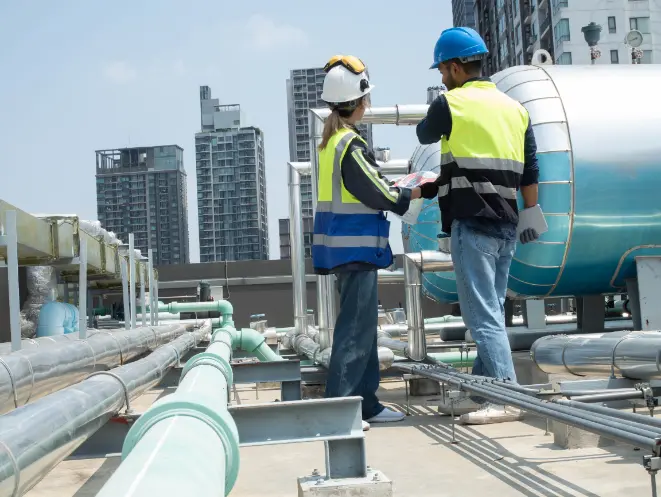
Waterproofing for Residential & Commercial Properties
Waterproofing requirements can vary depending on the property, surface condition and location of the water problem.
For residential properties, waterproofing may be required for roofs, balconies, external walls, bathrooms and other moisture-prone areas.
For commercial properties, larger roof areas, concrete structures, external walls and other exposed surfaces may require waterproofing maintenance or repair.
WaterTankerService can assess the affected area and determine the appropriate scope of waterproofing work based on the condition of the property.
Signs Your Property May Need Waterproofing
Some water-related problems become visible only after moisture has already entered a building. Look out for signs such as:
- Damp or wet patches on walls
- Water stains on ceilings
- Paint that is peeling or bubbling
- Cracks around walls or concrete surfaces
- Water entering after heavy rain
- Recurring roof leaks
- Musty or persistently damp areas
- Deterioration around joints and surface finishes
Addressing visible signs early can help prevent continued water exposure and further surface deterioration.
Our Waterproofing Service Process
A proper waterproofing service involves more than applying a waterproof coating. The affected surface and possible source of moisture should be assessed before work begins.
1. Site Assessment
The affected area is inspected to understand the visible signs of water penetration and the condition of the surface.
2. Identify Possible Water Entry Points
Possible sources of moisture, including cracks, joints, damaged surfaces and exposed areas, are considered during the assessment.
3. Surface Preparation
The surface may need cleaning, repair or preparation before waterproofing work is carried out. Proper preparation helps the waterproofing system adhere correctly to the surface.
4. Waterproofing Work
The suitable waterproofing approach is applied according to the surface, location and condition of the affected area.
5. Inspection
The completed work can be checked to ensure the affected area has been properly addressed and to identify any further maintenance requirements.
Waterproofing Maintenance in Malaysia
Malaysia’s frequent rainfall and humid conditions can expose building surfaces to continued moisture. Regular inspection of roofs, walls, concrete surfaces and other exposed areas can help identify potential waterproofing problems.
Maintenance requirements depend on factors such as the age of the building, surface condition, exposure to rain and previous waterproofing work.
If signs of water seepage appear repeatedly, it is useful to assess the possible source rather than simply covering the visible stain or damaged finish.
Why Proper Waterproofing Assessment Matters
Applying waterproofing material without understanding the source of water penetration may not address the underlying problem.
For example, a ceiling stain may be caused by water entering through a roof surface, joint or another area above it. Similarly, dampness on an internal wall may originate from an external surface.
A site assessment helps establish the condition of the affected area and provides a basis for deciding what waterproofing work may be required.
WaterTankerService focuses on assessing the affected surface before proceeding with waterproofing service in Kuala Lumpur.
Waterproofing Methods
The appropriate waterproofing method depends on the surface, location, level of water exposure and condition of the affected area.
Depending on the project requirements and services available, waterproofing systems may include:
- Cementitious waterproofing
- PU waterproofing
- Acrylic waterproofing
- Membrane waterproofing
- Crack sealing
- Concrete waterproofing
The suitable method should be selected based on the actual site condition rather than applying the same approach to every waterproofing project.
Waterproofing Malaysia for Different Water-Exposed Areas
Waterproofing requirements can differ from one property to another. Roofs may require protection from rainfall, while concrete surfaces and walls may experience moisture from surrounding areas or structural joints.
For properties in Kuala Lumpur and other parts of Malaysia, assessing the source and condition of the affected surface is an important step before carrying out waterproofing work.
WaterTankerService provides waterproofing service for suitable water-exposed areas based on the condition and requirements of the property.
Frequently Asked Questions
What is waterproofing?
Waterproofing is the process of protecting a surface or structure from water penetration. It can be used on areas such as roofs, walls, concrete surfaces, balconies and other locations exposed to moisture.
What areas can be waterproofed?
Common areas include roofs, walls, concrete surfaces, balconies, terraces and other water-exposed parts of a property. The suitable application depends on the condition and location of the affected area.
How do I know if my property needs waterproofing?
Signs can include water stains, damp walls, roof leaks, peeling paint, visible cracks and recurring moisture after rainfall. An assessment can help identify the possible source of water penetration.
How much does waterproofing cost in Kuala Lumpur?
Waterproofing costs vary depending on factors such as the affected area, surface condition, size of the project, materials required and waterproofing method. A site assessment is useful for determining the scope of work.
How long does waterproofing take?
The duration depends on the size and condition of the affected area, the waterproofing method and the preparation required. Smaller projects may take less time, while larger areas can require additional work and curing time.
Can waterproofing stop roof leaks?
Waterproofing can help reduce water penetration when the affected area and source of leakage are properly identified and addressed. Roof condition, cracks, joints and existing waterproofing layers should be assessed before work begins.
Why is my wall still damp after waterproofing?
Continued dampness may indicate that water is entering from another source or that the original moisture problem has not been fully addressed. Further assessment may be required to identify the cause.
Can concrete surfaces be waterproofed?
Yes. Concrete surfaces can be waterproofed using suitable systems depending on the condition, location and level of water exposure. Surface preparation is an important part of the process.
Does Malaysia's weather affect waterproofing?
Frequent rainfall and humid conditions can expose building surfaces to moisture. Proper waterproofing and regular inspection can help manage water penetration in areas exposed to these conditions.
How can I arrange a waterproofing assessment?
You can arrange a site assessment with WaterTankerService to discuss water seepage, roof leakage or other waterproofing requirements in Kuala Lumpur.
Get Waterproofing Service in Kuala Lumpur
Water seepage, roof leakage and damp surfaces can become recurring problems when the source of moisture is not properly addressed.
If you need waterproofing for a roof, wall, concrete surface or another water-exposed area, arrange a site assessment with WaterTankerService to determine the appropriate next step.